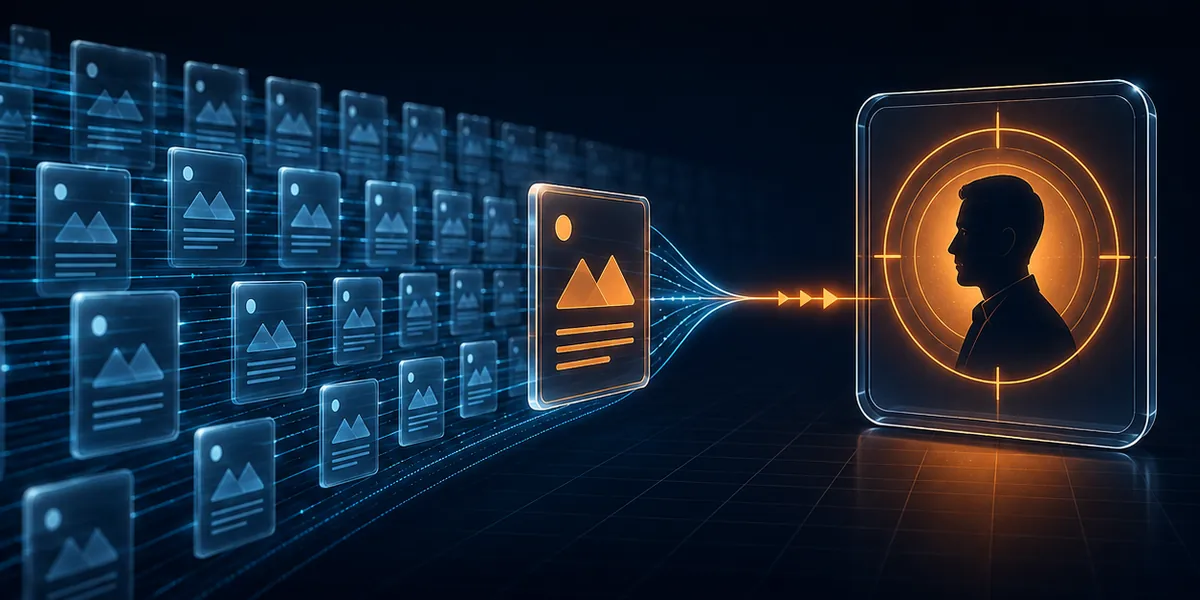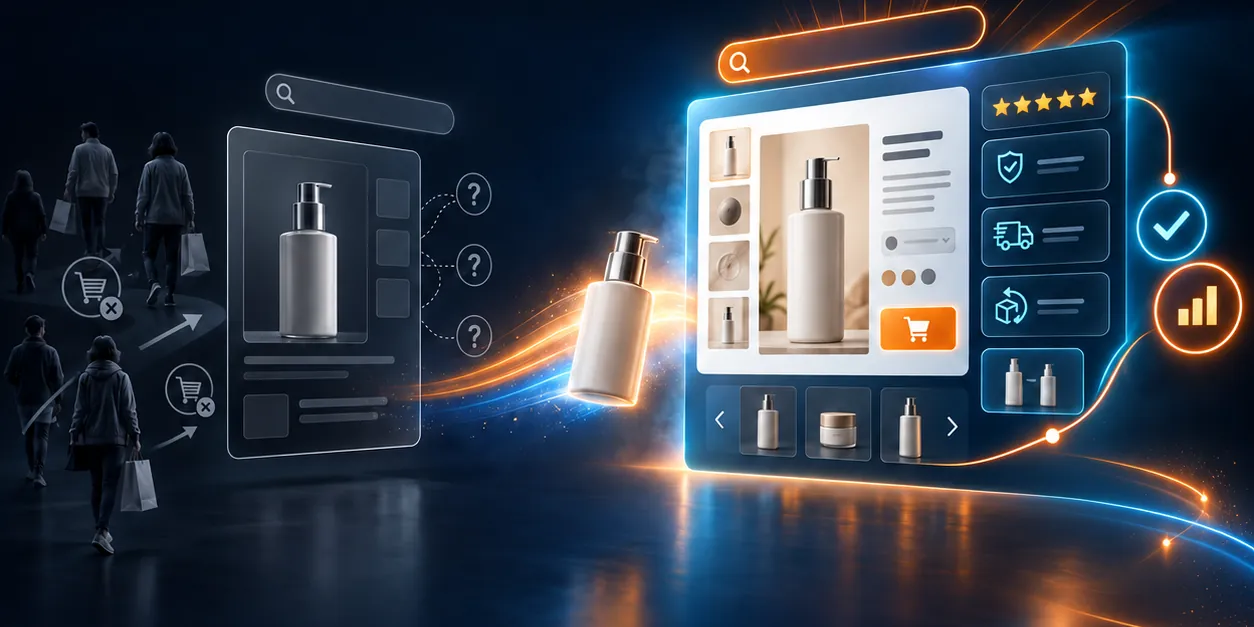

Many businesses pay to acquire a customer, and then let the relationship disappear after the first purchase, enquiry or completed project. Advertising then has to keep replacing revenue that a proper follow-up system could have protected. That is paying twice for the same customer, and weak customer retention is the reason.
If every sale starts from zero, your advertising is doing two jobs: finding new customers and replacing the ones you stopped talking to. Customer retention, meaning structured follow-up after the first conversion, protects the revenue you have already paid to win.
Before you increase your advertising budget, find out which customers return, whether your customer data is usable, whether follow-up is triggered by real behaviour, and whether your reports separate new-customer revenue from returning-customer revenue.
What losing a customer after the first sale looks like
The relationship rarely ends with an argument. It fades because nobody was assigned to keep it going. The pattern is different in each type of business, but the result is the same.
In an e-commerce business, it often looks like this:
- No post-purchase sequence. The order is delivered, and the customer hears nothing useful afterwards.
- No replenishment or renewal reminders for products people naturally buy again.
- No segmentation. First-time buyers, repeat buyers and high-value customers all receive the same message, or none.
- No personalised cross-sell. Nobody suggests what would genuinely suit someone based on what they bought.
- No win-back campaign for customers who have gone quiet.
In a service business, it often looks like this:
- Proposals that receive no follow-up after they are sent.
- Past clients who are never contacted again, even when they would be a natural fit for the next phase.
- Referrals left entirely to chance, because nobody ever asked, or made it easy.
Why advertising ends up paying the bill
When there is no retention, every month starts at zero. The only way to keep revenue steady is to buy more attention, so advertising spend grows to cover a gap that has nothing to do with advertising.
Paid media should create new demand. Follow-up should turn that first interaction into a longer commercial relationship.
This is also why retargeting needs care. Retargeting can be valuable, for example when someone has shown real intent and needs a reminder. But blindly paying to rebuild a relationship with people who already know your company, and whom you could contact directly, is a cost you may not need to carry.
Four questions to answer before raising your ad budget
These questions show whether the problem is acquisition or what happens after it.
- Do we know which customers return? If you cannot name how many customers buy or hire you a second time, you cannot judge the value of the first sale.
- Is our customer data accurate and usable? Duplicate records, missing emails and no purchase history make follow-up guesswork.
- Are follow-ups triggered by real behaviour, or sent as generic email blasts? A message sent because someone just did something relevant lands differently from one sent to everybody on a Thursday.
- Can our reporting separate new-customer revenue from returning-customer revenue? Without this, returning customer revenue quietly flatters your advertising results, or hides how little of it you actually have. A report that shows revenue, not only clicks, makes the difference visible.
What a customer retention system contains
A retention system does not need to be complicated to start. It needs to be deliberate. Each step has a simple job.
- Clean customer data Each customer has one record with contact details, what they bought or hired you for, when, and where they came from. This is the foundation for everything else.
- A useful first follow-up The first message after a purchase or project is helpful, not promotional: confirmation, what to expect, how to get the best result, and who to contact.
- Segmentation Customers are grouped in ways that matter, such as first-time and repeat, or by product or service, so messages fit the person receiving them.
- Behaviour-based triggers Automation sends the right message when something happens, such as a purchase, a quiet period, an abandoned basket or an expiring service, not on a generic schedule.
- Reorder, renewal and referral prompts Customers are reminded when it is sensible to buy again or renew, and are given an easy way to introduce others.
- Win-back People who have gone quiet receive a considered attempt to bring them back, with a clear reason to return.
- Reporting that separates new from returning You can see new-customer revenue and returning-customer revenue as two lines, and judge each on its own terms.
This is where email marketing automation earns its place. It does not replace paid media. It carries the first interaction forward, so advertising can focus on finding new customers instead of replacing old ones.
Where each type of business can start
You do not need to build every step at once. Start where the gap is most obvious and the effort is smallest.
| If you are… | A sensible first step | What to track |
|---|---|---|
| An e-commerce business | A post-purchase email sequence, then a reorder or replenishment reminder | Share of orders from returning customers |
| A service business | A scheduled follow-up after every proposal, and a check-in after each completed project | Proposals answered, and past clients who return |
| A business with repeat or renewal cycles | A reminder before renewal, triggered by the date | Renewals completed |
| Any business with a quiet customer list | A short, honest win-back message to people who have gone silent | Customers who return after the message |
A short test you can run yourself
You can see how well your business keeps customers in about ten minutes.
- Place a small order or submit an enquiry on your own website, using a fresh email address.
- Notice what you receive over the following two weeks. Is it useful? Is it timely? Does it feel as though anybody is paying attention?
- Open your customer list and check ten records. Are they complete and consistent?
- Look at last quarter’s revenue and ask how much came from people who had bought from you before.
- Ask whoever runs your marketing whether they can separate new from returning customers in the report.
If you cannot answer the last two questions, that is your starting point.
How I approach it at B-Digital Mark
I am an independent digital marketing specialist, and I work directly with my clients. There are no account-manager layers between you and the person doing the work.
I connect paid campaigns, tracking, dashboards, email marketing and automation into one measurable growth system, so the first conversion becomes the start of a relationship and not the end of one. That includes making sure a new enquiry reaches the right person, as I describe in what happens after a lead arrives. You can see how this fits with the rest of my services.
If every sale currently starts from zero, message me directly and we can identify what happens after the first conversion.
Common questions
What is customer retention in marketing?
Customer retention is everything you do to keep customers buying from you, or hiring you, after the first sale. It includes follow-up emails, reminders, personalised offers, service check-ins and referral requests, backed by customer data that is accurate enough to act on.
Why is retention important if I already advertise?
Advertising finds new customers, but it cannot protect the ones you already have. Without retention, ad spend has to replace lost revenue as well as grow the business, so you end up paying repeatedly to reach people who already know you.
Is retargeting the same as customer retention?
No. Retargeting uses paid advertising to show messages to people who have already visited your site or engaged with you. It can be useful for someone close to deciding. Retention uses channels you own, such as email and direct follow-up, to keep the relationship going with people you already know.
Which customers should I follow up with first?
Start with the people most likely to act: recent first-time buyers, customers who have reached the point where they would normally reorder, and past clients who could be a fit for a next phase. Segmenting by what people actually did makes messages feel relevant instead of generic.
How do I measure returning customer revenue?
Your reporting needs to tag each order or project as coming from a new or returning customer, using a reliable customer record. Once those two lines are separate, you can see how much revenue comes from people who return and judge whether your follow-up is working.